

What Is Incense and How Does It Work?
Share
Incense is an aromatic product that releases fragrance when burned through slow combustion.
It works by heating natural or blended aromatic materials, which then release scented smoke into the surrounding space. Incense is commonly used to create ambience, support mindfulness, and establish daily rituals. The strength, scent, and duration depend on the incense format, ingredients, and burn method. Incense does not treat medical conditions but can act as a sensory cue that supports calm or focus when used intentionally.
What Exactly Is Incense?
Incense is a substance designed to produce fragrance when burned slowly. Unlike candles, which rely on melted wax and a flame, incense works through controlled smouldering, releasing aromatic compounds into the air without an open flame once lit.
Incense has been used for thousands of years across:
-
Asia
-
The Middle East
-
Europe
-
Indigenous cultures worldwide
Historically, it has been used in homes, temples, ceremonies, and daily life — not only for spiritual reasons, but also for practical scenting of spaces.
In modern homes, incense is primarily used as:
-
A fragrance alternative to sprays or diffusers
-
A tool for creating calm or ambience
-
A way to mark transitions (morning, evening, rest time)
How Incense Works (Simply Explained)
At its core, incense works through slow combustion.
The Process
-
Incense is ignited briefly with a flame
-
The flame is blown out
-
The incense smoulders rather than burns
-
Heat releases aromatic compounds into the air
This smouldering process is what produces incense smoke and fragrance.
Importantly:
-
Incense does not burn like wood
-
It does not require constant flame
-
It releases scent gradually rather than all at once
What Is Incense Made Of?
The exact ingredients depend on the type and brand, but incense is typically made from a combination of:
-
Aromatic woods (such as sandalwood or cedar)
-
Resins (such as frankincense or myrrh)
-
Herbs, flowers, or botanicals
-
Natural binders
-
Fragrance oils or natural aromatic compounds
Common Ingredient Categories
Aromatic Base Materials
These form the structure of the incense and help it burn evenly.
Fragrance Materials
These determine how the incense smells and how long the scent lasts.
Binding Agents
These hold the incense together and control burn speed.
Different proportions and ingredients result in very different scent experiences.
Why Incense Produces Scented Smoke
When incense smoulders, heat causes volatile aromatic compounds to evaporate. These compounds attach to smoke particles and disperse into the air.
This is why:
-
Incense fragrance can linger after burning
-
Different incense types produce different smoke densities
-
Ventilation affects how long scent remains in a space
The smoke itself is not the goal — it is simply the carrier for fragrance.
Types of Incense and How They Work Differently
Incense Sticks
Incense sticks use a bamboo core coated with aromatic material.
How they work:
-
Burn from the coated tip downward
-
Bamboo core provides structure
-
Slow, even scent release
Sticks are popular because they are consistent and easy to control.
Incense Cones
Incense cones are solid cones of aromatic material.
How they work:
-
Burn from the top down
-
Release fragrance more quickly
-
Produce stronger scent in shorter time
Cones are effective for quick fragrance sessions.
Incense Resins and Powders
Resins and powders require charcoal discs to heat them.
How they work:
-
Charcoal provides heat source
-
Resin melts and releases aroma
-
Produces rich, deep fragrance
This is the most traditional method, but less beginner-friendly.
Natural vs Masala vs Dipped Incense (How Each Burns)
Natural Incense
-
Often burns more gently
-
Softer smoke output
-
Subtle fragrance release
Masala Incense
-
Dense aromatic material
-
Longer burn time
-
Rich, layered scent
Dipped Incense
-
Fragrance oil burns off more quickly
-
Strong initial scent
-
Less complexity over time
The burn method directly affects scent strength and duration.
Why Incense Is Used for Calm and Focus
Incense does not chemically “cause” calm or focus. Instead, it works through association and routine.
When used consistently:
-
The scent becomes linked to a mental state
-
Lighting incense signals a transition
-
The ritual itself encourages slowing down
This is similar to how people associate:
-
Coffee aroma with waking up
-
Certain music with relaxation
What Incense Does Not Do (Important Clarity)
To avoid misinformation:
-
Incense does not cure anxiety
-
Incense does not treat sleep disorders
-
Incense does not cleanse air medically
It can support mood, ambience, and ritual, but it is not a medical or therapeutic treatment.
How Environment Affects How Incense Works
Incense performance depends on:
-
Room size
-
Airflow and ventilation
-
Humidity
-
Surface materials
A scent that feels strong in a small room may feel subtle in a large space. This is why choosing the right fragrance strength matters.
Recommended Collections & Products for Understanding Incense
Collections to Explore
-
Incense Sticks – easiest way to experience how incense works
-
Natural Incense – softer burn and fragrance
-
Masala Incense – traditional, layered scent release
-
Meditation Incense – balanced for calm environments
Beginner-Friendly Brands
-
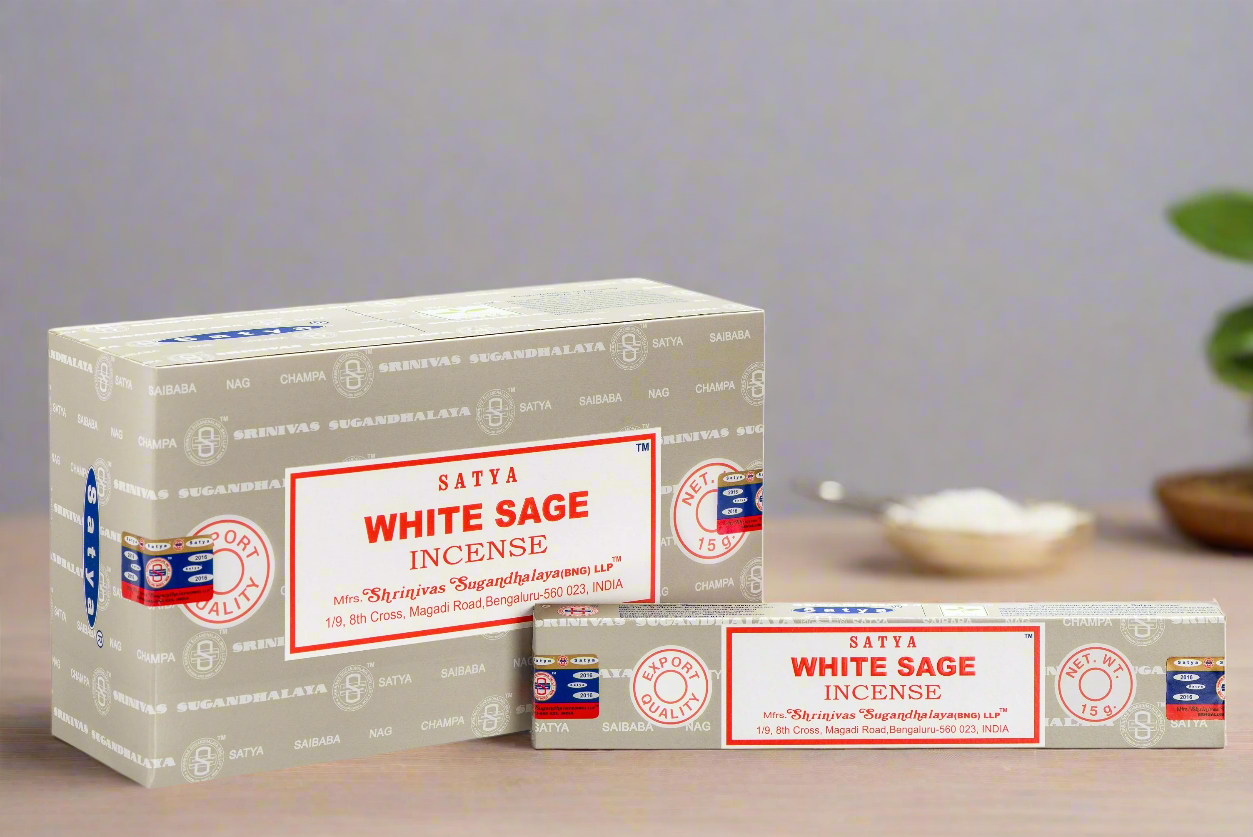
Satya – classic masala incense
-
Nitiraj – lighter, meditation-focused blends
FAQs: What People Ask About Incense
What is incense used for?
Incense is commonly used for fragrance, ambience, and daily rituals.
How does incense produce smell?
Heat releases aromatic compounds that travel in smoke particles.
Is incense smoke harmful?
When used moderately with ventilation, many people safely enjoy incense.
Why does incense smell last after burning?
Aromatic compounds settle in the surrounding air and surfaces.
Does incense need an open flame?
No. After lighting, incense smoulders without a flame.
Is incense better than candles?
Neither is better — they serve different fragrance preferences.
Can incense be used every day?
Yes, many people use incense daily in moderation.
Why does some incense smell stronger than others?
Ingredients, density, and burn method all affect strength.
Does natural incense burn differently?
Natural incense often burns more gently with softer aroma.
Does incense work instantly?
Scent builds gradually during burning and lingers afterward.
Final Thoughts
Incense works by slowly releasing fragrance through controlled smouldering. Its effectiveness depends on ingredients, format, and how it is used — but most importantly, on intentional, consistent use.
Understanding how incense works makes it easier to choose the right type and fragrance for your space.