

Types of Incense Explained: Sticks, Cones and Resins
Share
Incense comes in three main forms: sticks, cones and resins.
Incense sticks are the most common and easiest to use, offering a steady fragrance over a longer period. Incense cones burn more quickly and release a stronger scent in a shorter time. Incense resins are loose aromatic materials burned on charcoal and produce deeper, richer fragrances suited to traditional or experienced use. The best incense type depends on your space, how long you want fragrance to last, and how involved you want the process to be.
Why the Type of Incense You Choose Matters
When people first start using incense, they often focus on fragrance alone — sandalwood, lavender, jasmine, or something earthy or floral. While scent is important, the type of incense you choose has just as much impact on the experience.
The format affects how long incense burns, how strong the fragrance feels, how much smoke is produced, and how much attention it requires. Someone living in a small apartment will have a very different experience using incense cones compared to someone burning a stick in a larger, open space. Likewise, a person looking for a quick burst of fragrance will prefer a different format to someone who enjoys a slow, steady burn while reading or unwinding in the evening.
Understanding the differences between incense sticks, cones and resins helps you choose incense that fits naturally into your lifestyle rather than feeling overpowering or inconvenient.
Incense Sticks: The Most Common and Beginner-Friendly Option
Incense sticks are the most widely used form of incense and are often the first type people encounter. They consist of a thin bamboo core coated in aromatic material made from powdered woods, resins, herbs and fragrance compounds.
Once lit and gently blown out, the coated section of the stick smoulders slowly. This gradual burn is what makes incense sticks so approachable. They don’t demand attention, they don’t release fragrance all at once, and they are easy to control.
Most incense sticks burn for around thirty to sixty minutes, depending on their thickness and composition. During that time, the scent builds gradually in the space and often lingers for a short while after the stick has finished burning.
For everyday use, incense sticks are popular because they feel predictable and forgiving. If you forget about one for a moment, it’s unlikely to overwhelm the room. This makes them well suited to daily rituals, quiet evenings, or background ambience.
For beginners especially, incense sticks provide a gentle introduction to fragrance without the intensity that some other formats can bring.
Incense Cones: Shorter Burn, Stronger Presence
Incense cones are made entirely from compressed aromatic material and shaped into a small cone. Unlike sticks, there is no bamboo core. When lit, cones burn from the tip downward, releasing fragrance more quickly.
Because of this burn pattern, incense cones tend to feel stronger than sticks. The fragrance arrives faster and more intensely, which can be enjoyable in larger spaces or when you want to notice the scent immediately. However, in smaller rooms, cones can feel overpowering if used without ventilation.
Most cones burn for around fifteen to thirty minutes. The scent is concentrated into that shorter window, making cones ideal for quick fragrance sessions or moments when you want to change the atmosphere of a room without committing to a longer burn.
Many people enjoy cones for their visual appeal as well. When paired with decorative burners, they can become a focal point rather than a background element.
Incense Resins: Traditional, Rich and More Involved
Incense resins are the oldest and most traditional form of incense. Rather than being shaped into sticks or cones, resins are natural aromatic substances harvested from trees and plants. Frankincense and myrrh are among the most well-known examples.
Resins are not burned directly. Instead, they are placed on a lit charcoal disc, which provides the heat needed to release their aroma. This process requires more attention and setup than sticks or cones, but it also offers a very different scent experience.
When resin heats, it softens and releases a deep, rich fragrance that feels heavier and more complex than most stick or cone incense. The scent can change as the resin warms, offering layers rather than a single, consistent note.
Because resins produce more smoke and require charcoal, they are generally better suited to experienced users or those intentionally exploring traditional incense practices.
How Burn Time and Scent Strength Compare
One of the biggest differences between incense types is how long they burn and how strong they feel.
Incense sticks provide the longest and most consistent burn. Their fragrance builds slowly and evenly, making them easy to live with on a daily basis.
Incense cones burn more quickly and release scent more rapidly. This makes them feel stronger, even if the fragrance itself is not inherently more intense.
Incense resins have the least predictable burn time. The scent strength depends on how much resin is used, how hot the charcoal is, and how well ventilated the space is.
There is no “better” option — only what suits your space and expectations.
Choosing the Right Incense Type for Your Space
If you are just starting out or want something easy and flexible, incense sticks are usually the best choice. They work well in bedrooms, living rooms and small apartments, and they don’t require special equipment beyond a simple holder.
If you enjoy fragrance that makes an immediate impact or want something visually interesting, incense cones may suit you better. They are particularly effective in larger rooms or open areas.
If you are drawn to tradition, ritual, or deeper fragrance exploration, incense resins offer a more immersive experience. They are best used when you have time to engage with the process rather than treating incense as background scent.
Many people eventually enjoy more than one format and choose based on mood, time of day or occasion.
Natural, Masala and Dipped Incense Across Formats
It’s also worth noting that incense composition affects the experience regardless of format.
Natural incense often burns more gently and produces a softer aroma. Masala incense, traditionally made in India, uses a blend of powdered woods, resins and botanicals, resulting in richer and longer-lasting fragrance. Dipped incense, which relies more heavily on fragrance oils, often smells stronger initially but can feel less complex over time.
These differences apply whether the incense is a stick, cone or resin.
Recommended Collections and Products
If you’re exploring incense types, these collections are a good place to start:
-
Incense Sticks – ideal for beginners and daily use
-
Incense Cones – suitable for shorter, stronger fragrance sessions
-
Incense Resins – traditional incense for deeper exploration
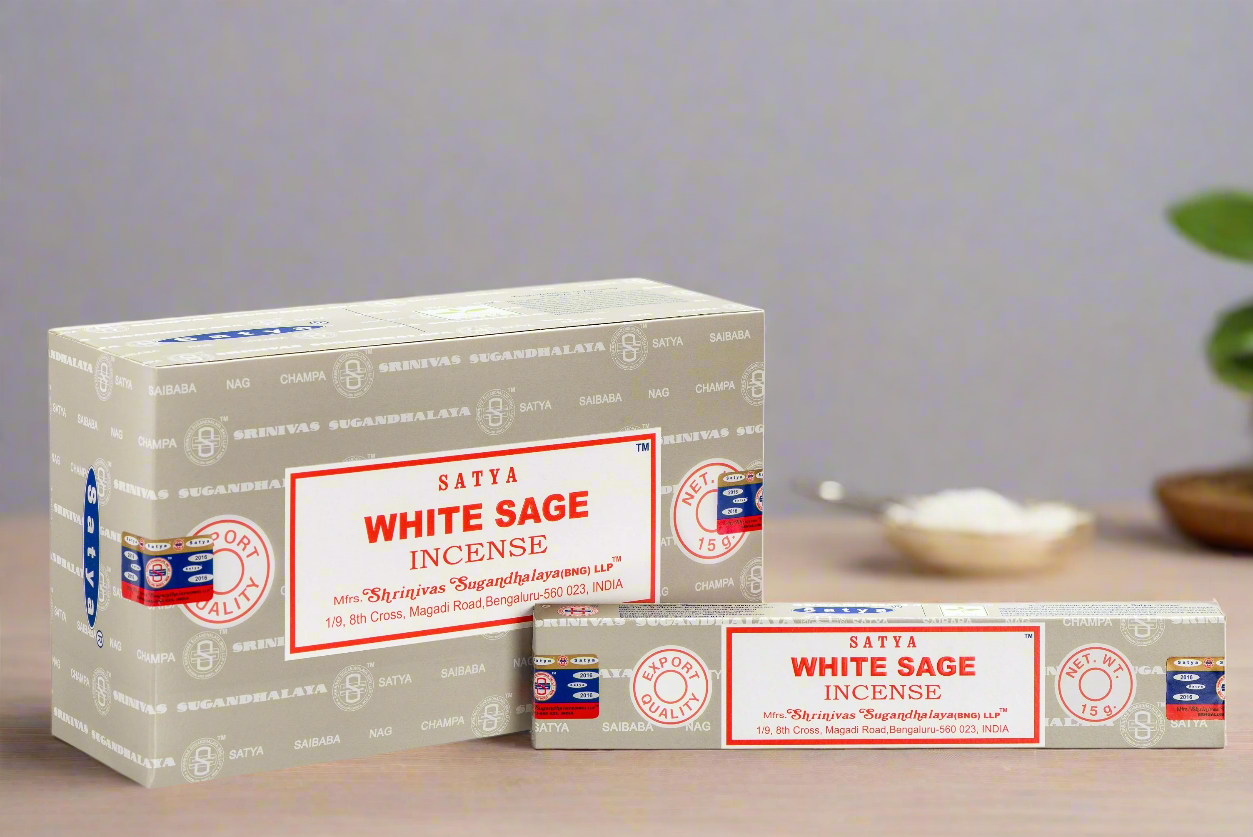
Well-known brands such as Satya and Nitiraj offer reliable options across different formats and fragrance styles.
FAQs: Common Questions About Incense Types
What is the best incense type for beginners?
Incense sticks are generally the easiest and most forgiving for beginners.
Are incense cones stronger than sticks?
They often feel stronger because they release fragrance more quickly.
Do incense resins smell better?
Not better, but deeper and more traditional in character.
Can I use incense cones in a small room?
Yes, but use them sparingly and ventilate the space.
Do incense sticks need special holders?
A simple stick holder is sufficient.
Is charcoal incense safe to use?
Yes, when used carefully with proper ventilation and heat-safe burners.
Which incense type lasts the longest?
Incense sticks usually provide the longest consistent burn.
Can I mix incense types?
Many people switch formats depending on mood or occasion.
Is natural incense available as sticks and cones?
Yes, availability depends on brand and range.
Should beginners start with resins?
Most beginners find sticks easier before moving to resins.
Final Thoughts
Understanding the differences between incense sticks, cones and resins allows you to choose incense that feels natural rather than intrusive. Each format offers its own rhythm and atmosphere. Once you understand how they behave, incense becomes less about trial and error and more about intention and enjoyment.