

Natural Incense vs Synthetic Incense: What’s the Real Difference?
Share
Natural incense is made primarily from plant-based materials such as woods, resins, herbs and flowers, while synthetic incense relies more heavily on fragrance compounds created in a laboratory.
Natural incense often produces softer, more layered aromas that change subtly as they burn. Synthetic incense tends to smell stronger and more consistent from start to finish. Neither is inherently “good” or “bad”; the best choice depends on personal preference, scent sensitivity, and how incense is used in the home.
Why This Question Comes Up So Often
“Is this incense natural?” is one of the most common questions people ask when shopping for incense. It’s also one of the most misunderstood.
Many people assume natural incense is always better, safer, or more authentic, while synthetic incense is somehow inferior. The reality is more nuanced. Both natural and synthetic incense exist for a reason, and both can be enjoyable when chosen intentionally.
Understanding the difference helps you avoid disappointment — not because one is right and the other wrong, but because they behave differently.
What Natural Incense Really Means
Natural incense is typically made using ingredients that come directly from plants. These can include:
-
Woods such as sandalwood or cedar
-
Tree resins such as frankincense
-
Dried herbs, roots or flowers
-
Natural binding agents
These materials are ground into powders, blended, and formed into sticks, cones or loose incense. In many cases, the fragrance comes from the ingredients themselves rather than added perfume.
When you burn natural incense, the scent often unfolds gradually. It may smell slightly different at the beginning than it does halfway through. Some people describe this as softer, earthier or more “alive”.
Natural incense is often chosen by people who enjoy subtle fragrance and don’t want a strong scent dominating the room.
What Synthetic Incense Is Made From
Synthetic incense uses fragrance compounds created in a laboratory to replicate or enhance certain scents. These compounds are blended into incense materials to produce consistent, recognisable aromas.
This doesn’t automatically mean synthetic incense is poor quality. In fact, synthetic fragrance allows for:
-
Stronger scent projection
-
Consistent smell from start to finish
-
Recreating fragrances that are rare or difficult to source naturally
Synthetic incense is often what people remember from childhood — bold, instantly recognisable scents that fill a room quickly.
How Natural and Synthetic Incense Smell Different
One of the clearest differences between natural and synthetic incense is how the fragrance behaves over time.
Natural incense tends to:
-
Smell softer and less sharp
-
Develop gradually
-
Change subtly as it burns
Synthetic incense tends to:
-
Smell stronger immediately
-
Stay consistent throughout the burn
-
Feel more noticeable in the room
Neither is objectively better. Some people love the gentleness of natural incense, while others prefer the clarity and strength of synthetic fragrance.
Burn Behaviour and Smoke
Another difference is how the incense burns.
Natural incense often burns more gently and produces lighter smoke. Because it relies on plant materials rather than fragrance oils, the burn can feel calmer and slower.
Synthetic incense may burn more evenly and consistently, but can produce heavier smoke depending on formulation. This is why ventilation matters regardless of incense type.
Why Some People Prefer Natural Incense
People who gravitate toward natural incense often value:
-
Subtle fragrance
-
Earthy or woody scent profiles
-
A quieter sensory experience
Natural incense is often chosen for:
-
Meditation or quiet routines
-
Small spaces
-
Evening use
It’s less likely to overwhelm, especially for people sensitive to strong smells.
Why Others Prefer Synthetic Incense
Synthetic incense isn’t “worse” — it simply offers something different.
People who prefer synthetic incense often enjoy:
-
Strong, room-filling fragrance
-
Familiar or nostalgic scents
-
Consistency
Synthetic incense works well in:
-
Larger rooms
-
Short fragrance sessions
-
Social spaces
It can be particularly appealing if you want scent to be a noticeable part of the environment.
Masala Incense: Where the Lines Blur
Traditional masala incense sits somewhere between natural and synthetic. It uses powdered woods and resins as a base, but may also include fragrance compounds to enhance or balance the scent.
This is why masala incense often feels rich and layered rather than purely “natural” or purely “synthetic”. Many people find this balance appealing.
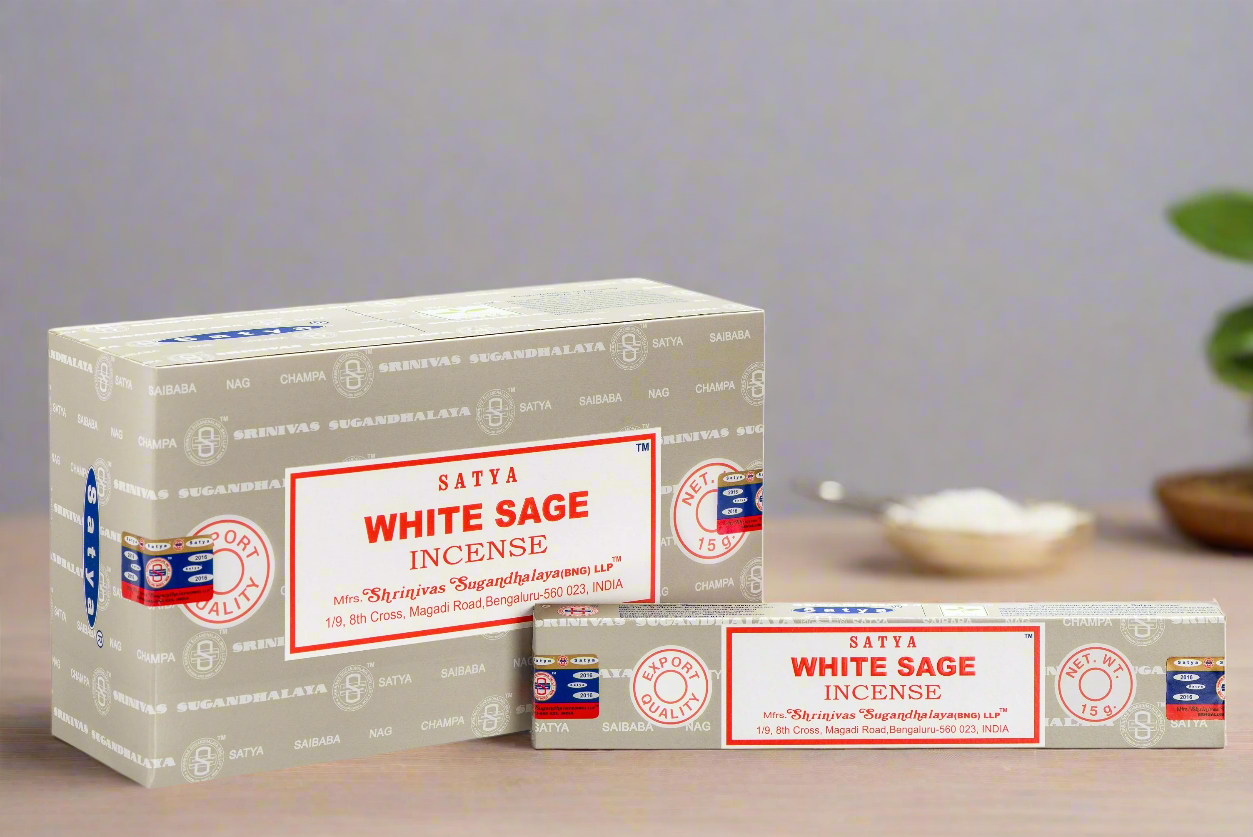
Brands such as Satya and Nitiraj are well known for masala-style incense that blends traditional materials with recognisable fragrance profiles.
Is One Safer Than the Other?
There is no clear rule that natural incense is “safe” and synthetic incense is not. Safety depends on:
-
How often incense is used
-
Room ventilation
-
Individual sensitivity
Used moderately and with airflow, many people enjoy both types without issue. It’s always wise to pay attention to how your body and space respond.
How to Choose What’s Right for You
Rather than asking “Which is better?”, it’s more helpful to ask:
-
Do I prefer subtle or strong scent?
-
Am I using incense daily or occasionally?
-
Is my space small or open?
If you enjoy gentle fragrance and quiet moments, natural incense may suit you better. If you want incense to clearly shape the atmosphere of a room, synthetic or blended incense may be more satisfying.
Many people keep both and choose based on mood.
Recommended Collections to Explore
If you’d like to explore the difference yourself:
Natural Incense Collections
-
Soft, plant-based fragrance
-
Ideal for daily and evening use
Masala Incense Collections
-
Balanced, layered aroma
-
Traditional Indian style
Strong Fragrance Incense
-
Suitable for larger spaces
-
More noticeable scent presence
Exploring a few styles side by side is often the easiest way to understand what you prefer.
FAQs: Natural vs Synthetic Incense
Is natural incense always better?
Not necessarily. It depends on personal preference and how you use incense.
Does natural incense smell weaker?
It often smells softer, not weaker.
Is synthetic incense harmful?
Used moderately with ventilation, many people enjoy it without issues.
Why does synthetic incense smell stronger?
Fragrance compounds release scent more quickly and consistently.
Can natural incense smell different as it burns?
Yes. Natural materials often change subtly with heat.
Is masala incense natural?
It usually combines natural materials with fragrance compounds.
Which is better for small rooms?
Natural or lighter masala incense is often more comfortable.
Which lasts longer?
Burn time depends more on format than ingredients.
Should beginners start with natural incense?
Many beginners find natural incense easier to enjoy.
Can I mix both types in my collection?
Absolutely — many people do.
Final Thoughts
Natural and synthetic incense are not opposites in a battle — they are different tools for different experiences. Once you understand how each behaves, choosing incense becomes less about labels and more about how you want your space to feel.