

Masala Incense Explained: What It Is and Why It Smells So Rich
Share
Masala incense is a traditional style of incense made by blending powdered woods, resins, herbs, and aromatic materials into a thick paste that is rolled onto sticks or shaped into cones.
Unlike dipped incense, masala incense carries fragrance throughout the entire body of the incense, resulting in a slower burn and a deeper, more layered scent. It is commonly associated with Indian incense traditions and is often preferred for meditation, relaxation, and daily rituals because of its richness and balance.
What Does “Masala Incense” Actually Mean?
The word masala simply means “blend” or “mixture”. In incense, it refers to a method of making incense rather than a specific scent.
Masala incense is created by combining multiple aromatic ingredients into a paste, which is then applied to a bamboo stick or shaped into cones. The fragrance is not just on the surface — it runs through the entire incense body.
This is why masala incense often feels fuller and more complex than other types. The scent unfolds gradually as different ingredients heat up at different stages of the burn.
How Masala Incense Is Made
Masala incense begins with powdered base materials. These often include:
-
Aromatic woods such as sandalwood
-
Natural resins like frankincense
-
Dried herbs, roots or flowers
-
Binding agents that control burn rate
These powders are mixed into a thick, dough-like paste. This paste is then rolled by hand onto a bamboo stick or moulded into shape.
Because fragrance is embedded throughout the incense, masala incense burns evenly and slowly, rather than releasing scent all at once.
This traditional method has been used for generations, particularly in India, and is still widely practised today.
Why Masala Incense Smells Different
People often describe masala incense as “rich”, “rounded”, or “deep”. This isn’t marketing language — it’s a result of how the incense is constructed.
As masala incense burns, heat reaches different ingredients at different times. Woods may release first, followed by resins, then softer aromatic notes. This creates a layered scent experience rather than a single flat note.
In contrast, dipped incense often smells the same from start to finish because fragrance oil is applied mainly to the surface.
Masala incense also tends to feel less sharp. Even when the fragrance is noticeable, it often feels smoother and more balanced.
Masala Incense vs Dipped Incense
Understanding the difference between masala and dipped incense helps explain why people have strong preferences.
Dipped incense relies on fragrance oils absorbed into a stick. It usually smells strong immediately and stays consistent throughout the burn. This can be appealing if you want instant fragrance.
Masala incense relies on blended materials instead. The scent builds more slowly, changes slightly as it burns, and often lingers more softly in the space.
Neither is “better”. They simply create different experiences.
How Masala Incense Burns
Masala incense usually burns more slowly than dipped incense. Because the aromatic material is denser, the smoulder rate is steadier and more controlled.
Most masala incense sticks burn for around forty-five minutes to an hour, depending on thickness. The smoke tends to be moderate rather than heavy, making it suitable for longer sessions.
This is one reason masala incense is commonly used during meditation, reading, or quiet evening routines.
Why Masala Incense Is Popular for Daily Use
Many people choose masala incense for daily use because it feels dependable. The fragrance doesn’t rush into the room or fade quickly. Instead, it becomes part of the background.
Masala incense works particularly well when:
-
You want a consistent atmosphere
-
You use incense regularly
-
You prefer fragrance that doesn’t dominate
It’s often described as “comforting” rather than dramatic.
Common Scents Found in Masala Incense
Masala incense isn’t a fragrance itself, but certain scents are commonly associated with this style, including:
-
Sandalwood
-
Nag Champa
-
Patchouli
-
Floral blends
-
Woody or resinous profiles
These fragrances tend to benefit from masala construction because they develop more depth as they burn.
Who Masala Incense Is Best For
Masala incense is well suited to people who:
-
Enjoy layered, evolving scents
-
Use incense regularly
-
Prefer slower, steadier burns
-
Want fragrance that feels grounding rather than sharp
Beginners often enjoy masala incense once they’ve tried simpler formats, but many start here and never feel the need to switch.
Well-Known Masala Incense Brands
Some incense brands are particularly well known for their masala style.
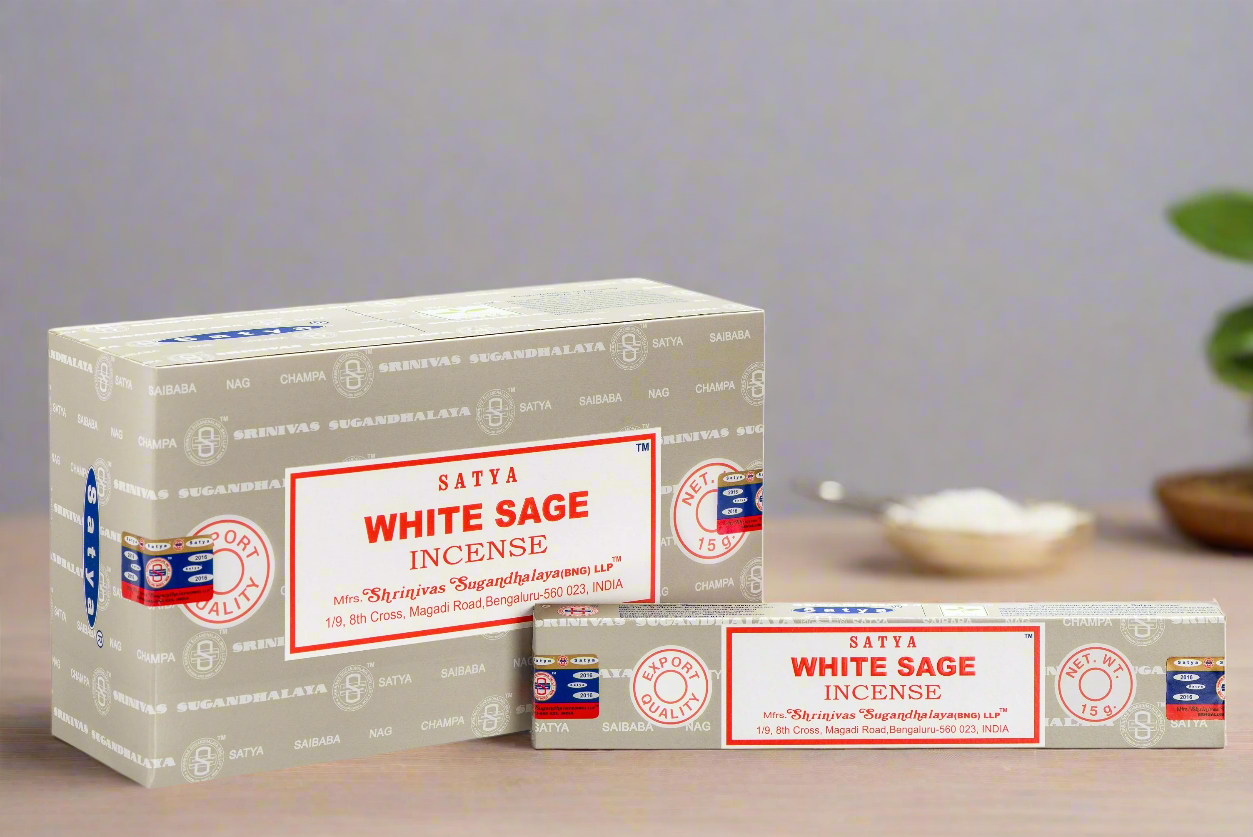
Satya is widely recognised for classic masala incense such as Nag Champa, which has become familiar around the world.
Nitiraj offers masala-style incense that often feels lighter and more suitable for meditation and quiet spaces.
These brands demonstrate how masala incense can vary in character while still following the same traditional method.
How to Use Masala Incense at Home
Using masala incense is no different from using other incense sticks.
Place the stick in a stable holder, light the tip, gently blow out the flame, and allow it to smoulder. Because masala incense burns slowly, good ventilation helps maintain a comfortable scent level.
If the fragrance feels too strong at first, try using it in a larger space or extinguishing it earlier.
Recommended Collections to Explore
If you’re curious about masala incense, these collections are a good starting point:
-
Masala Incense Sticks – traditional blends with layered aroma
-
Meditation Incense – often masala-based and balanced
-
Sandalwood & Nag Champa Collections – classic masala profiles
Trying a few different fragrances is the best way to understand how masala incense behaves.
FAQs: Masala Incense Explained
Is masala incense natural?
It is typically made from powdered woods and resins, sometimes blended with fragrance compounds.
Why does masala incense smell richer?
Because fragrance is embedded throughout the incense, not just on the surface.
Does masala incense burn longer?
Often yes, due to its denser construction.
Is masala incense better than dipped incense?
Neither is better — they create different scent experiences.
Is masala incense suitable for beginners?
Many beginners enjoy it, especially if they prefer softer, balanced fragrance.
Does masala incense produce a lot of smoke?
Usually moderate smoke when used with ventilation.
Why is masala incense associated with India?
The method has long been used in Indian incense traditions.
Can masala incense be floral?
Yes, floral scents are commonly made using masala techniques.
Is Nag Champa a masala incense?
Yes, it is one of the most well-known examples.
Can masala incense be used daily?
Many people use it daily without issue.
Final Thoughts
Masala incense isn’t about intensity or novelty. It’s about balance. Its richness comes from how ingredients work together over time rather than how strong the scent is at first. For many people, this makes masala incense something they return to again and again.